


| Category | Endoscopic Surgeries |
Advancements in modern gynecology have transformed the way many women's health conditions are diagnosed and treated. One of the most significant developments is the use of endoscopic surgeries, which allow doctors to perform procedures with smaller incisions, less pain, faster recovery, and improved outcomes. If you are looking for expert endoscopic surgeries in Gurgaon, Dr. Priyanka Guha Roy offers advanced minimally invasive gynecological procedures tailored to each patient's condition and treatment goals.
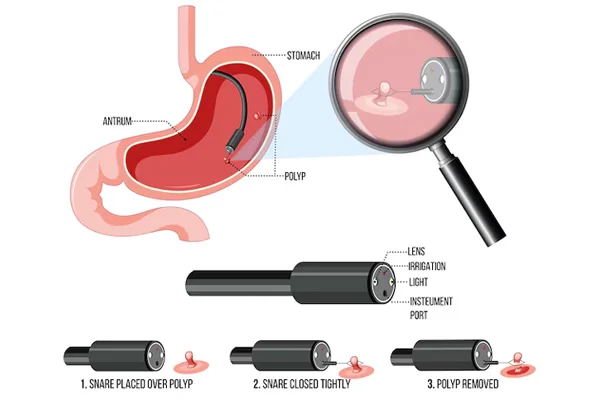
Endoscopic surgery refers to a group of minimally invasive procedures performed using specialized instruments and a camera-equipped device known as an endoscope. In gynecology, the most commonly performed endoscopic procedures include laparoscopy and hysteroscopy. These techniques help diagnose and treat various conditions affecting the uterus, ovaries, fallopian tubes, and other pelvic organs.
Unlike traditional open surgeries that require large incisions, endoscopic procedures involve tiny cuts or natural body openings, resulting in less discomfort, minimal scarring, shorter hospital stays, and quicker return to daily activities. Dr. Priyanka Guha Roy utilizes modern surgical techniques to provide safe and effective endoscopic treatment for women in Gurgaon, helping them achieve better health outcomes with minimal disruption to their lives.
Many gynecological conditions can be diagnosed and treated using endoscopic surgery. Women experiencing persistent symptoms should seek evaluation to determine whether a minimally invasive procedure may be beneficial.
Chronic pelvic pain is one of the most common reasons for gynecological endoscopy. Pain that persists for months and affects daily activities may indicate underlying conditions such as endometriosis, ovarian cysts, pelvic adhesions, or fibroids.
Abnormal uterine bleeding, including heavy periods, prolonged menstruation, irregular bleeding, or bleeding between periods, may also require diagnostic or therapeutic hysteroscopy.
Women experiencing infertility may undergo endoscopic evaluation to identify structural abnormalities, blocked fallopian tubes, uterine polyps, fibroids, or endometriosis that may affect conception.
Other symptoms include recurrent miscarriages, pelvic masses, severe menstrual cramps, postmenopausal bleeding, unexplained pelvic discomfort, and abnormal ultrasound findings.
Dr. Priyanka Guha Roy carefully evaluates each patient's symptoms to determine whether endoscopic surgery is the most appropriate treatment option.
Endoscopic procedures are used to diagnose and manage a wide range of gynecological conditions.
Endometriosis is a common condition where tissue similar to the uterine lining grows outside the uterus, causing pain and fertility issues. Laparoscopic surgery allows accurate diagnosis and treatment of endometriotic lesions.
Uterine fibroids, which are non-cancerous growths within the uterus, can often be removed through minimally invasive techniques, depending on their size and location.
Ovarian cysts that are persistent, symptomatic, or suspicious may require laparoscopic removal while preserving healthy ovarian tissue whenever possible.
Endoscopic surgery is also effective in treating uterine polyps, pelvic adhesions, ectopic pregnancies, congenital uterine abnormalities, and certain causes of infertility.
Hysteroscopy is frequently used to diagnose and treat abnormalities inside the uterine cavity, including polyps, fibroids, septum, and retained tissue.
Several gynecological conditions develop due to hormonal, genetic, inflammatory, or structural factors.
Hormonal imbalances may contribute to abnormal uterine bleeding, endometrial polyps, and fibroid growth.
Genetic predisposition plays a role in conditions such as fibroids and endometriosis. Women with a family history of these disorders may have a higher risk of developing similar conditions.
Pelvic infections can lead to adhesions and tubal damage, sometimes resulting in chronic pelvic pain or infertility.
Age-related reproductive changes may increase the likelihood of developing uterine abnormalities that require hysteroscopic evaluation.
Certain congenital reproductive tract abnormalities may remain undetected until fertility challenges or recurrent pregnancy losses occur.
Endoscopic surgery helps identify these conditions accurately while offering effective treatment with minimal trauma to surrounding tissues.
Laparoscopy is a minimally invasive surgical procedure performed through small abdominal incisions. A camera called a laparoscope is inserted through one incision, allowing the surgeon to view internal organs on a monitor.
This technique is commonly used for ovarian cyst removal, endometriosis treatment, fibroid surgery, ectopic pregnancy management, infertility evaluation, and pelvic pain investigation.
Because only small incisions are required, patients typically experience less pain and recover faster compared to traditional open surgery.
Hysteroscopy involves inserting a thin telescope-like instrument through the vagina and cervix into the uterus. Since no abdominal incision is required, it is considered one of the least invasive gynecological procedures.
Hysteroscopy allows direct visualization of the uterine cavity and is frequently used to diagnose and treat polyps, fibroids, uterine septum, abnormal bleeding, and infertility-related issues.
Many hysteroscopic procedures are performed on a day-care basis, allowing patients to return home the same day.
Before recommending endoscopic surgery, Dr. Priyanka Guha Roy conducts a comprehensive evaluation to understand the patient's condition and determine the most appropriate treatment plan.
The consultation typically includes a detailed medical history, symptom review, menstrual history, fertility assessment when applicable, and physical examination.
Diagnostic investigations may include pelvic ultrasound, blood tests, hormonal evaluations, MRI scans in selected cases, and fertility-related assessments.
These evaluations help establish a precise diagnosis and ensure that endoscopic surgery is both safe and beneficial for the patient.
The exact surgical process depends on the condition being treated and the type of endoscopic procedure performed.
For laparoscopic surgery, small incisions are made in the abdomen. Carbon dioxide gas is used to gently expand the abdominal cavity, creating space for visualization and surgical instruments. The surgeon then performs the necessary treatment while monitoring the procedure on a high-definition screen.
During hysteroscopy, a thin hysteroscope is inserted through the cervix into the uterus. Specialized instruments may be used to remove polyps, fibroids, adhesions, or other abnormalities.
Most endoscopic procedures are performed under anesthesia to ensure patient comfort.
The duration of surgery varies depending on the complexity of the condition being treated. Many patients are discharged on the same day or within 24 hours.
Endoscopic surgery offers numerous advantages compared to conventional open procedures.
The smaller incisions result in less postoperative pain and significantly reduced scarring. Patients often require fewer pain medications and experience a more comfortable recovery period.
The risk of excessive blood loss is generally lower, and hospital stays are shorter.
Recovery times are typically faster, allowing women to resume normal activities sooner.
The enhanced visualization provided by high-definition cameras enables precise surgical treatment while preserving healthy tissues.
For women concerned about fertility preservation, minimally invasive techniques can be particularly beneficial because they reduce surgical trauma and promote faster healing.
Dr. Priyanka Guha Roy prioritizes minimally invasive approaches whenever appropriate, helping patients benefit from modern surgical advancements.
Recovery following endoscopic surgery is usually much quicker than recovery after traditional open surgery.
Patients may experience mild discomfort, bloating, fatigue, or light vaginal spotting depending on the procedure performed. These symptoms generally improve within a few days.
Most women can resume light activities within a short period, although strenuous exercise and heavy lifting may need to be avoided temporarily.
Following postoperative instructions is essential for optimal healing. Adequate hydration, balanced nutrition, proper wound care, and attending follow-up appointments contribute to smooth recovery.
The recovery timeline varies based on the complexity of the surgery, the patient's overall health, and the specific condition treated.
Dr. Priyanka Guha Roy provides detailed postoperative guidance and monitors each patient's progress to ensure safe and successful recovery.
Many women undergoing endoscopic procedures are concerned about future fertility.
In fact, endoscopic surgery is often used to improve reproductive outcomes. Conditions such as endometriosis, fibroids, uterine polyps, adhesions, and blocked fallopian tubes can interfere with conception and pregnancy.
By correcting these abnormalities through minimally invasive techniques, fertility may improve significantly in selected patients.
Women planning pregnancy receive individualized fertility-focused treatment strategies designed to maximize reproductive success while preserving reproductive organs whenever possible.
Dr. Priyanka Guha Roy is committed to providing advanced gynecological care using modern minimally invasive surgical techniques. Her patient-centered approach ensures that each woman receives a thorough evaluation, accurate diagnosis, and personalized treatment plan.
From infertility-related procedures and fibroid treatment to endometriosis management and hysteroscopic surgeries, Dr. Priyanka Guha Roy focuses on achieving the best possible outcomes with minimal discomfort and faster recovery.
Women seeking endoscopic surgeries in Gurgaon benefit from expert surgical care, advanced technology, compassionate support, and comprehensive follow-up throughout the treatment journey.
Endoscopic surgery is a minimally invasive procedure that uses specialized cameras and instruments to diagnose and treat gynecological conditions through small incisions or natural body openings.
Most patients experience significantly less pain compared to traditional open surgery. Any discomfort is usually manageable with prescribed medications.
Recovery depends on the procedure performed, but many women return to normal activities much sooner than with conventional surgery.
Yes. Procedures that treat conditions such as endometriosis, fibroids, adhesions, and uterine abnormalities may improve fertility outcomes in appropriate cases.
Many endoscopic procedures are performed as day-care surgeries or require only a short hospital stay, depending on the complexity of the treatment.